

Nigerian political satire is not just entertainment — it is survival, resistance, and public therapy wrapped in laughter. In a country where hardship often feels endless, Nigerians have mastered the art of turning pain into punchlines, using humor, sarcasm, exaggeration, and irony to expose corruption, mock failed leadership, and question the absurdities of everyday life.
From crowded bus stops to social media timelines, satire has become one of Nigeria’s sharpest political weapons.
Where It All Began
Political satire in Nigeria did not start on TikTok or X. Its roots stretch back to the colonial era.
Legendary cartoonist Akinola Lasekan used newspaper cartoons in the West African Pilot to ridicule British colonial authorities and challenge oppression. His drawings proved that a single sketch could provoke more thought than a long speech.
Theatre also became a battlefield for criticism. Writers and dramatists such as Hubert Ogunde, Duro Ladipo, Wole Soyinka, and Ola Rotimi used stage performances to attack dictatorship, greed, tribal politics, and abuse of power.
Soyinka’s works, especially King Baabu and Chronicles from the Land of the Happiest People on Earth, brutally mocked African strongmen and corrupt elites.
In the 1980s, Ken Saro-Wiwa brought satire to television with Basi and Company, a comedy series that exposed greed, fraud mentality, and the obsession with sudden wealth during Nigeria’s oil boom years.
Even under military dictatorships, when criticism could lead to arrest or disappearance, satire survived. Nigerians joked through fear.
The Digital Explosion
Today, political satire has moved from newspapers and theatre halls to smartphones and social media feeds.
Instagram skits, TikTok videos, YouTube comedy, memes, podcasts, and viral tweets now dominate the space. A new generation of creators uses comedy to discuss fuel hikes, inflation, electricity failure, corruption, and broken promises.
Characters like Governor Amuneke, played by Kevin Chinedu, imitate the behavior of arrogant politicians, exposing hypocrisy through exaggerated performances.
Shows such as The Other News and The Average Nigerian blend humor with political criticism, proving that satire can entertain while educating.
Podcasts, especially Submarine and A Roach, mix chaotic comedy with sharp commentary about politics and society.
Unlike traditional media, digital satire is fast, raw, and difficult to control. A meme created in Lagos can spread across the country within minutes.
The Main Targets
Nothing escapes Nigerian satire.
Politicians are constantly roasted for corruption, arrogance, and unrealistic promises. Former President Muhammadu Buhari became a regular target over health rumors, slow governance, and his famous “body language” politics.
Current President Bola Ahmed Tinubu faces endless jokes about economic hardship, fuel subsidy removal, old speeches, political slogans, and nicknames like “T-Pain.”
But satire is not limited to presidents alone. Governors, lawmakers, pastors, influencers, and even ordinary citizens get dragged into the comedy arena.
Nigerians also use satire to cope with daily suffering:
Endless fuel queues
Constant power outages
Rising food prices
“Japa” migration culture
Police brutality
Elite disconnection from reality
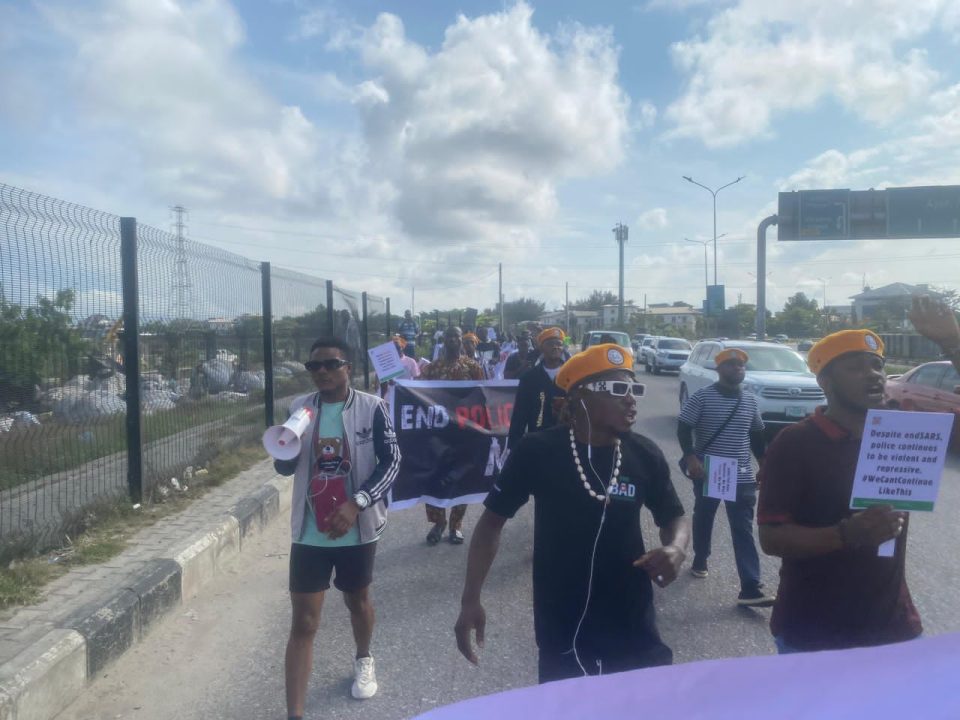
During the #EndSARS protests movement, satire became a powerful tool for protest. Memes, cartoons, parody songs, and comedy videos amplified youth anger while keeping the conversation alive online.
Why Satire Matters
Political satire does more than make people laugh.
It simplifies complicated political issues, keeps leaders under pressure, and gives frustrated citizens a voice. In many cases, comedians and satirists say what journalists or ordinary people are too afraid to say directly.
Humor becomes a safer language for truth.
Yet the risks remain real. Some creators face threats, arrests, censorship, or coordinated online attacks. During different administrations, critics and comedians have been harassed for mocking powerful figures.
Despite this, satire continues to grow because Nigerians see it as both resistance and relief.
The Nigerian Style
What makes Nigerian satire unique is its local flavor.
It is loud, dramatic, sarcastic, emotional, and heavily infused with Pidgin English, street slang, proverbs, and cultural references. It can move from hilarious to painfully accurate within seconds.
One moment Nigerians are laughing at a meme about “no light,” and the next moment they are confronting the deeper tragedy behind the joke.
That is the power of Nigerian political satire: It entertains. It provokes. It documents history. And most importantly, it refuses to stay silent
COURTSEY:NIGERIAN NEWS-HEADLINES TODAY.
