

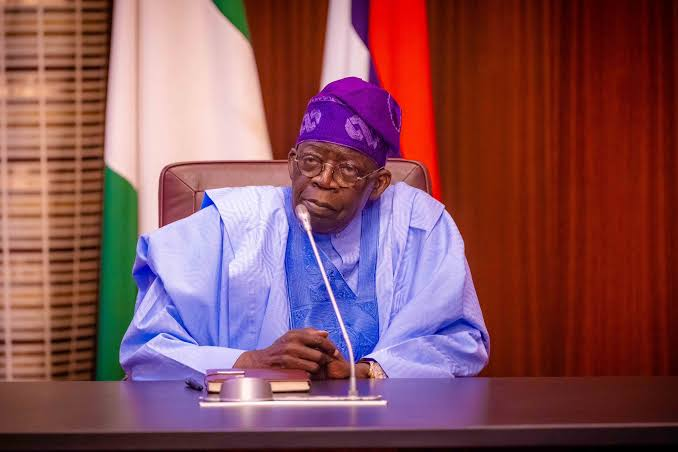
The appointment of former Ekiti State Governor, Ayo Fayose, as Chairman of the *Rural Electrification Agency (REA)* by President Bola Tinubu has once again raised important questions about political integrity in Nigeria.
Let me be clear: I have nothing against Ayo Fayose accepting this appointment. As a two-term governor, he has the experience and qualifications to serve in such a position. My concern is about consistency and integrity.
On July 9, 2023, Fayose stood before the world and declared that he would never accept any appointment under Tinubu’s government. Not even a ministerial position. He said it boldly. He meant it — or so we thought. Now, barely two years later, he has taken that same appointment he swore he would never touch.
So what changed? Nothing changed. This is simply how Nigerian politics works. Our politicians say one thing today and do the opposite tomorrow. They criticise the government to stay relevant, then quietly lobby for positions when no one is watching. It is a game they have mastered — deceiving the public while positioning themselves for the next opportunity.
There was a time when politics in Nigeria meant service, not survival. We have good examples from the past. After the military takeover in 1983, former governors elected on the platform of the Unity Party of Nigeria (UPN), such as *Bisi Onabanjo of Ogun State, Adekunle Ajasin of old Ondo State, Bola Ige of old Oyo State, Ambrose Alli of old Bendel State, and Lateef Jakande of Lagos State,* all returned to their various professions. They did not see public office as a means of personal enrichment. Instead, they valued integrity, reputation, and service above political positions. They proudly regarded themselves as public servants because they genuinely believed that leadership was about serving the people.
I believe politics in Nigeria should be a part-time service, similar to what exists in the United Kingdom. Public office should be about serving the people, not about securing a lifetime career. When politicians leave office, they should be able to return to their previous professions and earn an honest living instead of constantly looking for appointments from every new government.
Sadly, Nigeria has witnessed a steady decline in political values during the Fourth Republic. The situation became much worse after President Olusegun Obasanjo left office in 2007. Although his administration was not perfect, it introduced important anti-corruption institutions such as the *EFCC* and the *ICPC* to fight corruption. Some critics believe these agencies were sometimes used against political opponents, but the more important question is this: *what meaningful reforms did successive governments make to strengthen these institutions and make them truly independent?*
Unfortunately, very little was done. Instead, corruption continued to grow while public resources meant for national development were diverted for private gain.
Now we are here. A man who promised never to serve under this government is now its appointee. And we are expected to applaud. We are expected to forget what he said. We are expected to pretend that words still matter in Nigerian politics.
Until our politicians learn that integrity is worth more than any appointment, we will keep going in circles and producing leaders who serve themselves, not the people.
Fayose’s appointment is legal. It is constitutional. But it is also another reminder that in Nigeria, a politician’s word is as cheap as the paper it is written on.
